
Search engines notice sites more when they use the right words. SEO keyword research tools that find those words matter a lot online. Bloggers, company heads, marketers—they all need smart word choices to get seen. A solid plan starts with picking terms people actually type. Great writing can still go unseen if it misses the correct phrases. SEO keyword research tools are playing a vital role in keyword research.

Only here do keyword research tools show their real worth. Spotting top-performing terms happens more smoothly when these resources step in. Competition gets clearer through detailed breakdowns instead of guesswork. The search purpose reveals itself page by page. Content shaped this way pulls in visitors without paid pushes. Visibility grows as alignment with user queries strengthens. SEO keyword research tools helps in searching keywords.
SEO Keyword Research Tools Explained?
Figuring out what words people type into Google? That is where SEO keyword research tools come in. Not just random guesses—these platforms show real numbers on how often terms get searched. Picture seeing how tough it is to rank for a word, who else uses it, and whether interest is growing or fading. One tool might highlight rising phrases while another breaks down traffic chances. Some lay out patterns over time; others compare options side by side. Each bit of info shapes a clearer path forward. Data points like popularity and rivalry become visible, almost tangible. Behind every choice could be insight pulled straight from user behavior. Nothing flashy—just signals pointing toward better visibility.

Figuring out which words people type into search engines? That job gets easier with keyword tools. Rather than wondering what users want, real numbers show the way forward. These tools shape how you plan articles or pages online. Picking phrases backed by data means more visitors might find your site through searches.SEO keyword research tools help individuals in searching their keyword.
Why SEO keyword tools matter
What your visitors look up online becomes clear when you explore data through keyword tools. Because these platforms show search volume, crafting pages around real queries feels less like guessing. When competition levels appear alongside terms, choosing which words to target gets more realistic. Pages shaped by actual demand tend to connect faster with algorithms sorting results. So clarity about searches shifts how content takes shape behind the scenes.
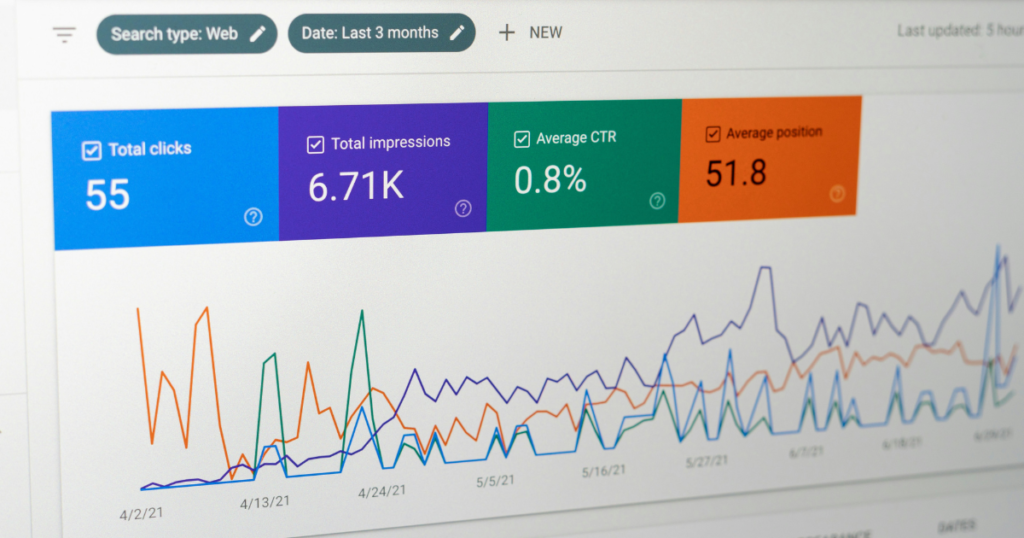
One big plus of using SEO keyword tools? They uncover those detailed, longer phrases people search for. Specific terms like these often face less rivalry online. That means a better chance to show up higher in results. Hitting on such precise queries brings visitors who actually want what you offer.
When rivals show up for certain searches, that tells a story worth reading. Spotting those patterns reveals where your own approach might be missing chances. New openings appear once you see which terms bring traffic their way instead of yours.
Common SEO keyword research tools
A bunch of SEO keyword research tools pop up when you look around online – each one built a little differently. Take Google Keyword Planner, for instance – it shows search volume clues. Then there is Ahrefs, which digs into backlinks while also tracking keywords over time. SEMrush stands out by giving competitive insights alongside phrase suggestions. Ubersuggest simplifies things with clean views and lower price tags. Moz Keyword Explorer leans on domain authority scores to rank potential terms. AnswerThePublic paints searches as questions people actually type. Each tool dances to its own rhythm, serving different needs without copying others
1. SEMrush
One tool stands out when it comes to digging into SEO keywords—SEMrush. Packed with options like checking rivals, scanning links pointing back, and reviewing site health, it does more than just the basics. Finding words that rank well becomes simpler because patterns in searches become clear through its data views. Performance shifts on your site? That info stays visible over time thanks to steady monitoring built right in.Semrish is also famous for SEO keyword Research tools.
What really sets SEMrush apart is how deeply it digs into keywords—showing things like how often people search, how tough the competition is, plus what clicks might cost.
2. Ahrefs
Its massive collection of backlink data stands out right away. Keyword exploration? That’s where it really shines. Professionals lean on it when hunting down fresh search terms. Checking what rivals are doing becomes much easier with this tool.
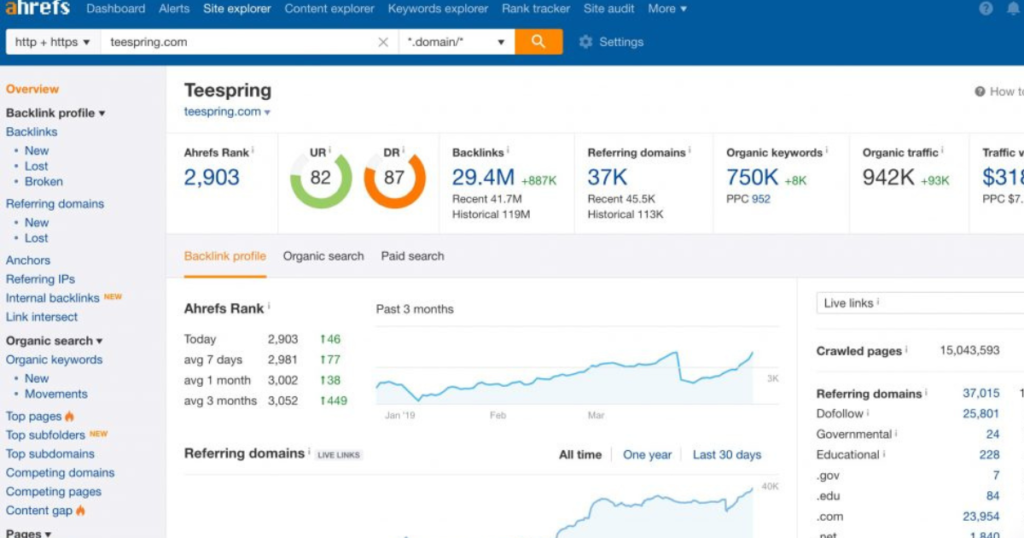
Starting off, Ahrefs’ Keywords Explorer gives clear numbers on how often people search, how tough it is to rank, and how likely clicks are. With that info, creators shape material that actually shows up in results.
3. Google Keyword Planner
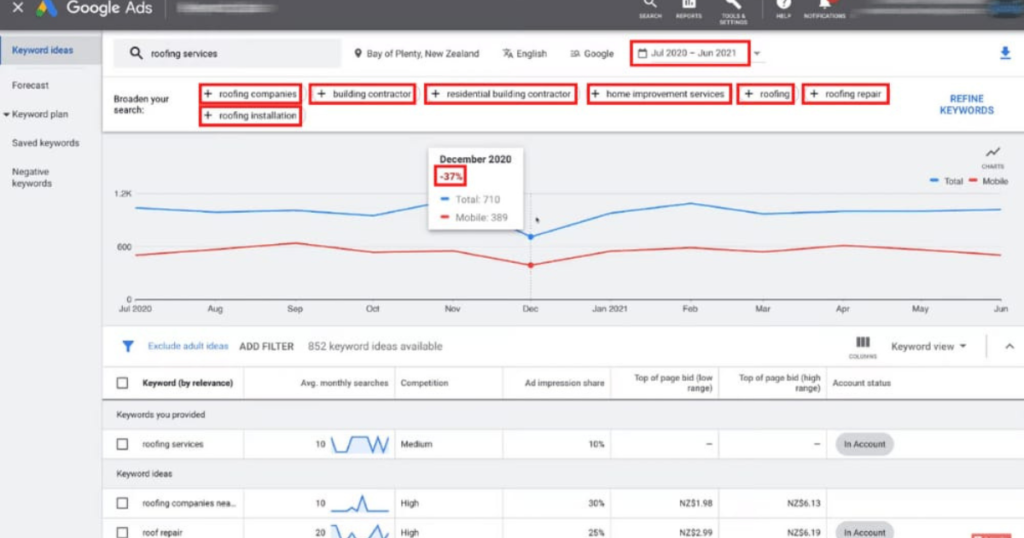
Starting out with keywords? This Google tool costs nothing. Most find it easy to reach, thanks to being built right into the ad platform. New users often pick it first when exploring search terms. Paying for software isn’t needed here. It helps those just learning the process get going without extra expense.
Starting off, people get help spotting keywords while also peeking at how often they’re searched. Instead of just serving ad teams, it fits well into website ranking tasks too. One thing leads to checking rival moves without needing extra apps. Despite its original aim, plenty apply it where visibility matters most online.
4. Ubersuggest
Starting off simple, Ubersuggest helps users find keywords along with how often people search them and how tough they are to rank for. Priced low compared to others, it fits well into tight budgets – perfect when you’re just starting out or running a smaller operation.

Finding fresh angles? Ubersuggest points toward topics others overlook while peeking at what rivals are doing. A quiet nudge toward smarter planning shows up right where you need it.
5. Moz Keyword Explorer
A solid choice for digging into keywords? Moz Keyword Explorer fits the bill. This tool delivers clear numbers on how often people search, how tough a term might be to rank for, one metric that hints at actual clicks from unpaid results.
A standout trait? The Priority Score pinpoints high-impact keywords worth chasing. Because of this, effort lands where outcomes grow stronger.
Picking an SEO keyword tool
New users might find their footing with something simple at no cost – Google offers one – or try Ubersuggest if spending a little feels okay.Professionals who need deeper insights often turn to SEMrush or Ahrefs – these platforms pack strong analytics. When growth becomes a priority, companies lean on such tools to sharpen their SEO game. Reaching ahead of rivals? That’s where these options start making sense.
Pick your SEO keyword tool by how smooth it runs, how right the numbers are, what tricks it offers, also cost. Trust comes first – a solid choice feeds clear info so choices feel less like guessing.
Better Understanding of What People Search For
Starting off, SEO keyword research tools bring a load of advantages to how you handle online promotion. Right away, they cut down effort – thanks to automation – that once took hours manually. Insights pop up fast, almost like flipping a switch. Suddenly, what felt slow now moves quick. Efficiency climbs without needing extra steps. The whole workflow feels smoother, mainly because waiting around drops way off.
When it comes to precision, these tools help by pointing to real numbers. Guessing fades into the background once you start pulling insights from keyword trackers. Decisions shaped this way tend to open doors where others see walls.
Folks often see a jump in site visits when they pick the right terms people are searching for. Hitting those phrases pulls in new eyes, while also nudging up where the page shows in results.
Conclusion
A fresh look at SEO tools shows they matter a lot if online visibility is the goal. Finding useful terms becomes easier when these resources guide your way. Audience insights grow clearer through their data-driven lens. Higher rankings start with smart choices made early in planning.
Picking the right tool changes how you see search terms. SEMrush gives a clear look at what people type. Ahrefs shows where competitors get their clicks. Google Keyword Planner helps spot trends before they peak. Ubersuggest breaks down ideas into simpler parts. Moz Keyword Explorer tracks how hard it is to rank for certain words. Each one works differently but aims for the same result. Success comes from matching the tool to your needs. Traffic grows when insights turn into choices