
Out of nowhere, machines are changing how doctors spot illness—spotting patterns humans might miss. Instead of waiting, hospitals now move faster because smart software handles tasks behind the scenes. Picture this: a tool learns from every case, getting sharper over time without slowing down. Not long ago, such ideas lived only in science fiction books. Today, they’re inside clinics, adjusting treatment plans on the fly. Even routine checkups feel different, since alerts pop up before problems grow serious. Behind each screen, lines of code quietly support nurses during busy shifts. Step by step, old methods fade while digital helpers take on more weight. Though some hesitate, results keep showing fewer mistakes and quicker recoveries. With each passing month, these systems reach further into corners once untouched by tech. Artificial intelligence in healthcare is used for medical purposes and to solve different diseases.
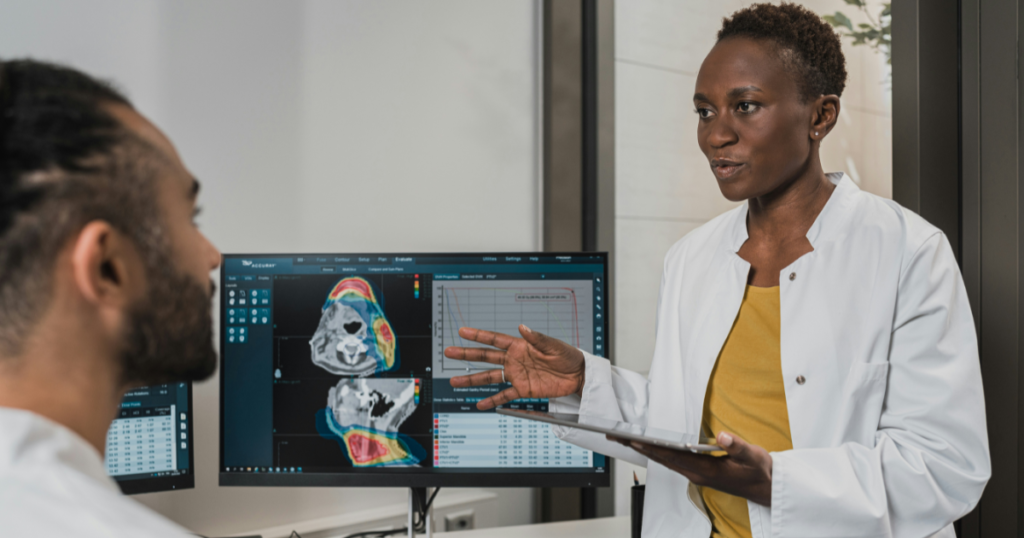
More doctors and clinics now turn to smart machines when dealing with tough issues like expensive care, too few workers, or slow test results. What stands out is how these thinking systems might just redraw how healing works down the road.
Artificial Intelligence in Healthcare Explained
Computers that learn on their own start showing up more in hospitals these days. Instead of people, smart software spots illness patterns by studying piles of health info. One moment it forecasts how a sickness might progress; the next thing you know, it helps track who needs what treatment. Even inside operating rooms, silent digital helpers guide tools with extreme precision. What once took teams of experts now happens faster through automated decisions based on past cases.
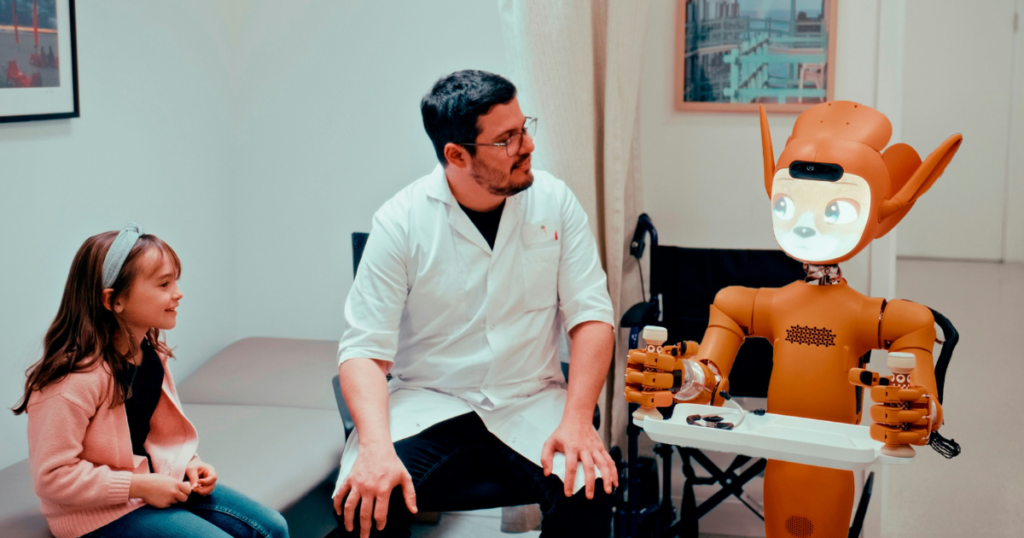
What drives AI in medicine isn’t taking over but lifting up those who work on the front lines. In seconds, it sorts through mountains of information, turning noise into clarity for physicians. Machines whisper hints; people still lead the way. Better results emerge when both listen. Efficiency grows where thought meets code.
AI uses in health care
From spotting illnesses to reading scan results, artificial intelligence plays many roles in medicine. Early disease identification stands out among these uses. Looking at X-rays, MRIs, or CT images, smart software helps find problems like tumors before they grow worse. When caught sooner, recovery becomes more likely through timely care.
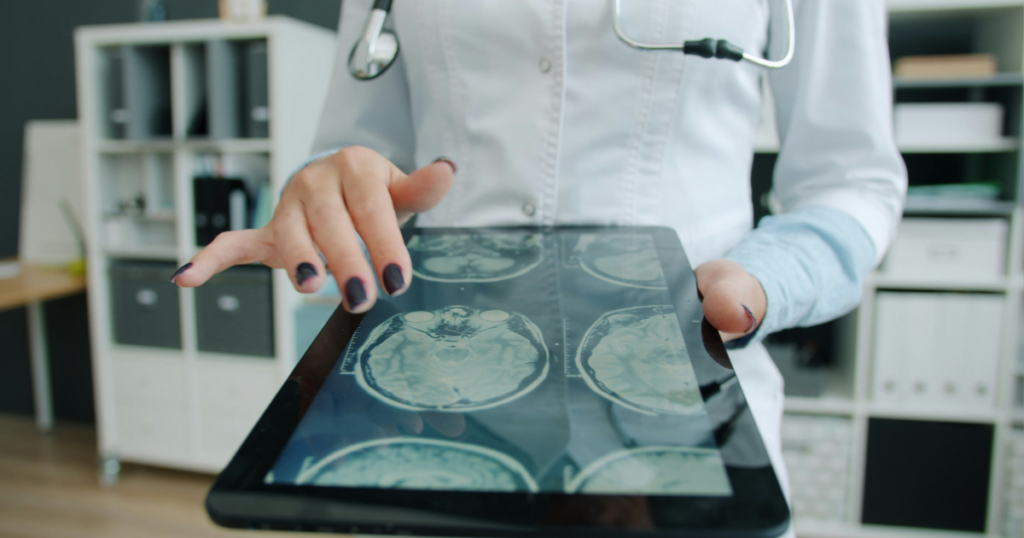
Picture this—AI stepping into healthcare by shaping how treatments fit individuals. Imagine a system studying someone’s genes and daily habits, together with past health records. Out comes advice built just for them. Care shifts from general to precise, matching what each person actually requires.
Medicine creation moves faster now because of machines that learn. Though finding new drugs usually takes years, smart software spots promising options early on. Because these systems guess how well they might work, trials happen quicker. Getting cures to people does not drag out as long anymore.
Funny thing—more people now talk to digital helpers when they feel unwell. Instead of waiting on hold, folks get quick replies about symptoms because smart software handles the first questions. Appointment booking slips into place without phone tag, thanks to automated nudges that fit busy lives. Oddly enough, it’s not just young users who warm up to these bots; older adults find them handy too. Behind each message lies pattern-spotting tech trained on mountains of health data. Convenience sneaks in quietly, one chat at a time.
How AI Changes Healthcare
Starting off, using smart machines in medicine brings plenty of gains—not just for doctors but for people getting care too. What stands out? Spot-on diagnoses happen more often now. These digital tools dig into details with sharp focus, which means mistakes by humans show up less frequently.
One big plus? Less time on paperwork. Machines handle files and payments now, so doctors spend energy where it matters—on people. Smarter work means money stays put, effort flows right.Artificial intelligence in healthcare in change medical equipment day by day.
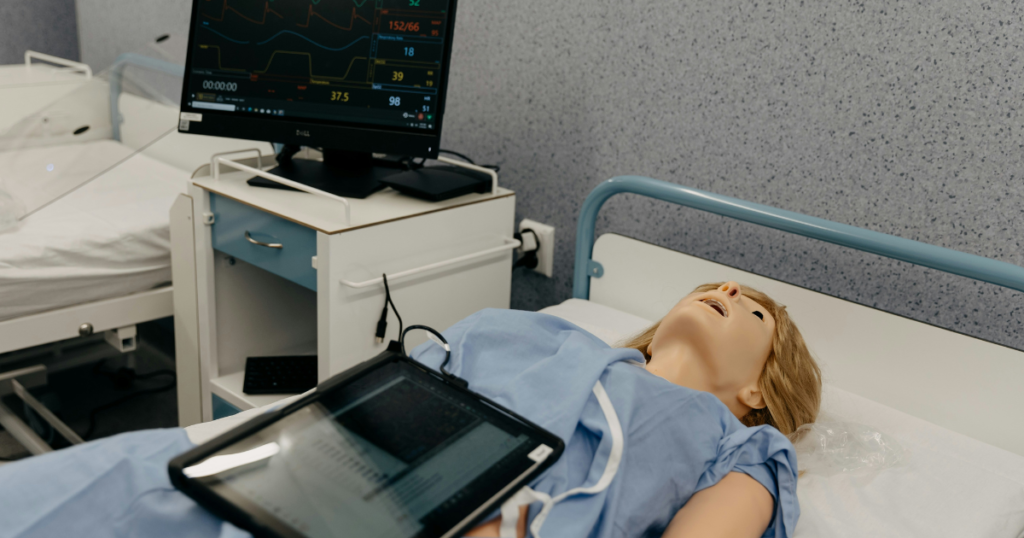
Real progress shows up right where it matters most – inside patient rooms. When smart systems watch vital signs nonstop, sudden changes get noticed fast. Because warnings pop up instantly, treatment starts sooner than before. Managing long-term illnesses becomes steadier when help arrives exactly at the turning point.
From far-off places, getting help feels closer now. Thanks to smart systems, check-ins happen from home instead of long trips. Care reaches further because tech bridges the distance gap.
Challenges and Concerns
Even with clear advantages, putting artificial intelligence into health settings isn’t without issues. A major worry pops up around how patient information stays private and safe. Since medical records carry deep personal details, keeping them locked down becomes key when machines are involved.
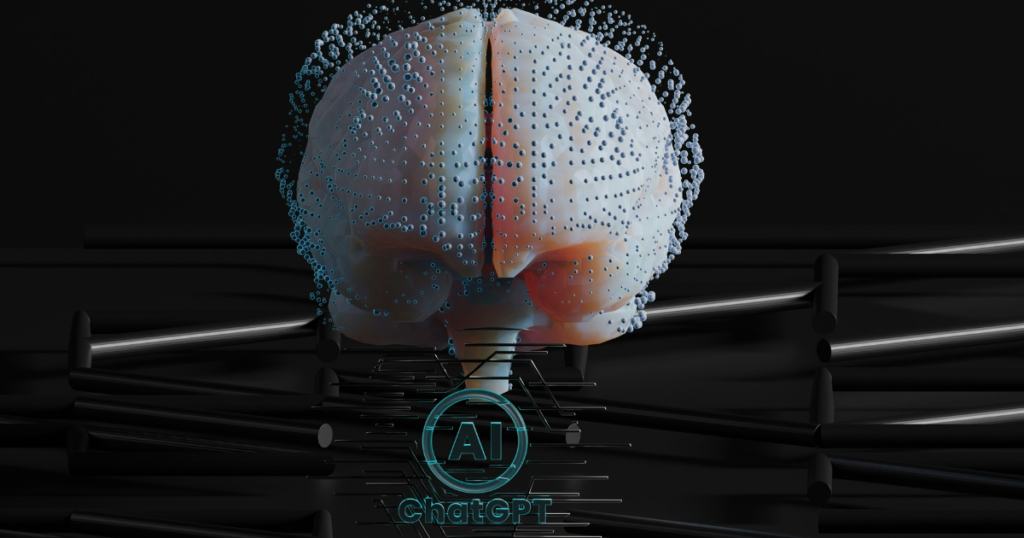
Folks might wonder if they can really count on machines when health is on the line. Not everyone – neither patients nor doctors – rushes to hand over choices to software. For these systems to earn a real shot at helping, people need to see how they work, know they get things right, plus watch them perform steadily over time.
How we treat fairness matters just as much. When machines help choose treatments, they should see everyone the same way. Trust grows only if people believe the system won’t favor one person over another. Without that trust, few will want to use smart tools in medicine.
The future of artificial intelligence in healthcare
Over time these smart tools grow sharper at spotting illnesses early. Picture robots assisting in operations with steady precision never seen before. Instead of guessing risks, clinics might predict them using patterns hidden in data. Prevention could shift from luck to something planned and precise. One day soon, catching a problem before it grows may just be routine.
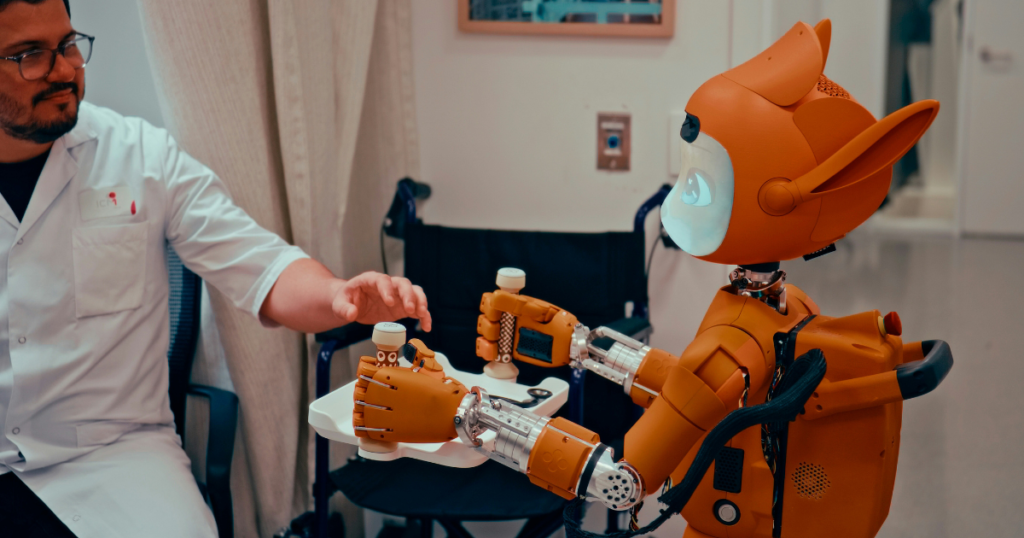
A fresh twist on health might come from spotting illness long before anything feels wrong. Thanks to smarter computer systems in medicine, catching conditions ahead of time looks more doable than ever. That shift? It could change how we avoid sickness entirely. Fewer lives lost might follow as a result.
Wearing tech gadgets while moving about helps doctors watch your body day and night. Thanks to smart software built into medical tools, updates on how you’re doing pop up the moment something shifts. Health changes show up fast when machines learn what normal looks like for you.
Medical care changes fast now that computers handle more tasks. Without question, machines that think are becoming a bigger part of clinics and hospitals. Because of this shift, patient visits might take less time. Getting help could become easier for people in distant areas. Treatment plans may also improve as programs learn from data. Slowly but surely, tools shaped by code begin shaping better health outcomes.
Conclusion
Right now, machines that think are changing how doctors work – better guesses about sickness, kinder treatment for people, smoother running clinics. Because these systems chew through piles of facts and spot hidden patterns, they’ve become something many medical workers rely on without question.
Even though hurdles remain, what artificial intelligence offers medicine beats its downsides by a long stretch. Progress keeps coming – done right, this tech could remake how care works, lifting daily living for countless individuals across the planet.
Fueled by machines that learn, medicine shifts. Efficiency creeps in where delays once lived. Care begins orbiting those who need it, not systems built long ago. Smarter choices emerge without fanfare.