

Lately, artificial intelligence moved fast – what once felt like science fiction now fits in pockets and homes. Enter ChatGPT, a sharp language tool built by OpenAI, changing the game quietly. Instead of just responding, it shapes replies that feel almost human. Writing tasks? Questions deep or odd? It handles them without pause. Because of this, finding answers takes less effort. On top of that, sparking new ideas feels easier, somehow lighter. Tech used to block people; now, in small ways, it steps aside.
What is ChatGPT?
Something called ChatGPT talks much like a person would. Built using what experts call a Generative Pre-trained Transformer, it learns patterns from tons of written material. Because of how it works, responses come from understanding rather than fixed rules. Instead of sticking to set paths, conversation flows freely through context clues. This flexibility lets it handle many kinds of exchanges without sounding robotic.

From cooking tips to coding errors, help shows up fast. Different kinds of data shape its responses, so school tasks, company plans, or script fixes get clear answers. When stuck on a message, puzzled by numbers, or hunting fresh thoughts, replies come without delay. Learning happens through wide examples, making everyday challenges easier to handle.
How ChatGPT Works
Starting from scratch, ChatGPT leans on complex neural networks alongside tools that understand human speech. Because it studies how words flow together, along with meaning and purpose, replies come out smooth. Often, these answers sound like they belong in a real chat. Its strength lies in spotting subtle cues across sentences, making interactions seem less robotic.

Begins with a query entered by someone, the system works through it to guess which words fit best next. That guessing skill gives ChatGPT its sharp, alert feel. As modeling methods advanced slowly, replies became better at matching meaning, staying on topic, fitting the situation well.
Applications of ChatGPT
ChatGPT has a wide range of applications across different industries and use cases:
1. Content Creation
A favorite way people use ChatGPT? Writing content. Bloggers turn to it – so do marketers, along with companies – all crafting material without starting from nothing. While some draft posts, others shape messages, each finding their own rhythm with the tool
Blog posts
Product descriptions
Social media captions
Email campaigns
One moment it’s done – cutting down production hours without losing spark or uniformity. Speed meets steady imagination through tighter workflows that simply work behind the scenes.
2. Education and Learning
Folks in classrooms – both those learning and those teaching – find help with ChatGPT. This tool offers support through quick answers, idea exploration, or practice exercises now and then
Break down hard ideas into everyday words
Help with homework and assignments
Provide summaries of long texts
Assist in language learning
A strong choice for independent study or school help comes from this. Its usefulness shows clearly when working alone or keeping up with class.

3. Support for Business and Customers
Folks at lots of workplaces now let ChatGPT take over talking to customers. Handling questions? That task often goes straight to it
Frequently asked questions
Basic troubleshooting
Customer inquiries
With less waste, things run smoother. Costs drop as systems work better.
4. Programming Assistance
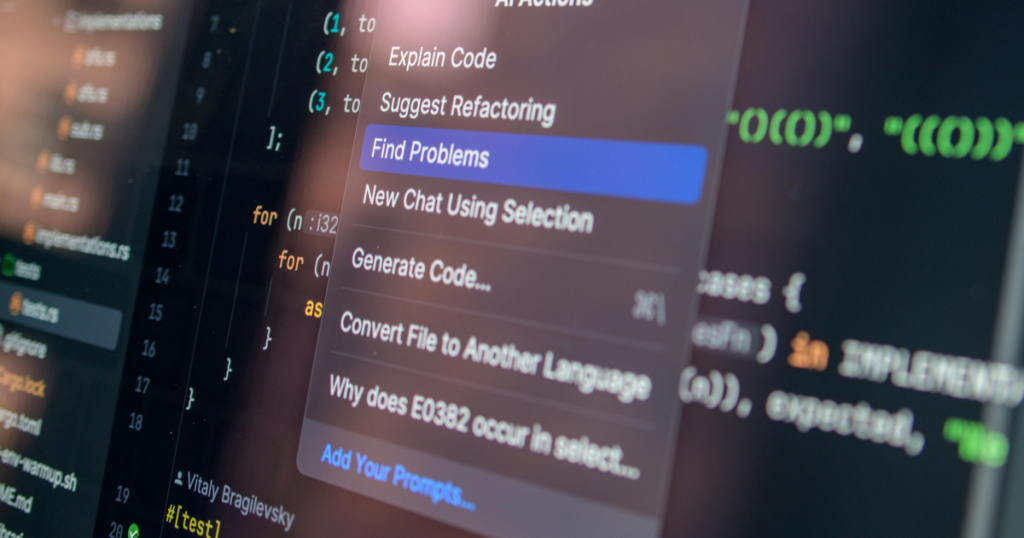
Developers using ChatGPT
Start building instructions computers follow. Fix errors until everything runs right
Learn new programming languages
Understand technical concepts
A digital helper for writing code shows up right when you need it. Work moves faster because tasks take less time to finish.

5. Personal Productivity
Starting your day might feel easier when a tool writes down tasks for you. One way to make choices clearer is having someone suggest options, almost like thinking out loud together.
The Future of ChatGPT
ChatGPT might stick around longer than most think. With each update, it learns a bit more – like a student who never stops reading. One day it helps write an email, next week it drafts a poem without being asked. Machines start to mimic how people talk, not perfectly, but close enough. Progress creeps forward while everyone is busy scrolling. New versions appear quietly, like seasons changing in the background. Expect stumbles along the way – no path stays smooth forever. Still, something keeps pulling us toward smarter helpers that listen better every month
Improved accuracy and contextual understanding
Enhanced voice and multimodal capabilities (text, image, video)
Better personalization based on user preferences
Integration into everyday tools and platforms
Soon enough, machines might help shape ideas, not only follow orders. Life could lean on smart tools more deeply – guiding choices, sparking imagination, doing chores. These systems may weave into daily moments, quietly supporting thought as much as effort.


Humans Working With Artificial Intelligence
ChatGPT grows stronger when people work alongside it. Instead of taking over tasks, it supports what humans already do. Drafts come easier for writers because of it. Students find new ways to understand ideas through its help. Companies handle more work without adding pressure. What matters is how people shape its role – not the other way around.
Conclusion
Something big happened with ChatGPT – technology took a sharp turn toward smarter machines. Because it reads and writes like a person, fresh paths appear in writing tasks, classrooms, customer help, even creative work. Though mistakes happen now and then, good uses tend to beat the downsides if people stay thoughtful how they apply it.
One step deeper into today’s tech world means chatbots play bigger roles at jobs, schools, in daily chats. Staying involved even when machines help keeps things balanced. That balance opens doors only possible when people stay in the loop.
Above all, ChatGPT isn’t merely a device; it reveals what smart conversation could become. Yet behind its simplicity hides a shift already unfolding. Mostly quiet, still noticeable – this feels like stepping closer to machines that understand us. Instead of cold replies, there’s something almost aware in the way it responds. While many tools fade fast, this one lingers differently in memory. Beyond function, it carries a hint of where we’re headed next.
Leave a Reply