
Today’s world runs on visuals—how we share ideas, shape brands, or tell stories often depends on them. Driven by new technology, image creation is shifting fast thanks to AI systems that build pictures from words alone. Without costly gear or training, anyone can now produce detailed visuals just by describing what they want. Instead of relying on cameras or designers, people tap into smart software that turns phrases into artwork. An artificial intelligence photo generator can save your time as well as resources.
One reason more people turn to artificial intelligence for image creation lies in how fast it changes creative work. Because of its speed and ease, those who market products, design layouts, write blogs, or share content online now rely on such systems. What once took hours can appear in moments—shifting how visual material gets made. Tools driven by learning algorithms allow quick results without long setups. Even casual users notice the difference when generating images step by step. Speed connects directly to output quality here. Creators find value not in complexity but in what appears right after a prompt. Over time, repeated use shapes better outcomes simply through trial. Each generated piece builds confidence in the process behind it.
Artificial Intelligence Photo Generator Explained?
A photo generator powered by artificial intelligence works by applying machine learning methods to produce images from user directions. Starting from massive collections of visual data, such systems detect recurring structures, artistic approaches, and layout rules. Through repeated exposure, they build an internal sense of how elements combine visually. Instead of copying, they synthesize fresh outputs that echo learned examples. Their results emerge from statistical connections rather than fixed templates.
One key aim of artificial intelligence in image creation lies in cutting down effort during design tasks. Describing a scene replaces drawing by hand, letting results appear quickly through machine learning systems. Such tools offer strong benefits whether someone is just starting out or already experienced in visual work.
Artificial Intelligence Photo Generators How They Work
Starting from scratch, artificial intelligence picture tools rely heavily on systems modeled after brain function alongside methods designed to produce new content. Following a written instruction provided by someone, these programs analyze the words instead of just reading them, then form visuals aligned with what was described. Though built on complex foundations, their response feels almost immediate – shaping pictures not through drawing but calculation. Input arrives as sentences; output emerges as scenes, formed without hands or traditional artistry.
A single image at a time can reveal patterns when viewed across vast collections, shaping how machines interpret visual details. Because exposure to countless examples occurs, recognition of form and texture emerges naturally within the system. While learning happens behind the scenes, creative outputs take shape through layered understanding rather than imitation alone.
With these tools, tweaking prompts, styles, or specific elements helps shape the results more precisely. Because adjustments are possible, generating tailored images becomes a smoother process through AI-powered photo creation.
Popular artificial intelligence photo generator tools
Not every option works the same – some stand out by doing more than just creating images. One after another, these systems reveal abilities that go beyond basic generation. While a few focus on speed, others prioritize control or detail. What sets them apart often comes down to how they interpret prompts.
Some respond better to precise wording, while simpler inputs work fine elsewhere. A handful allow adjustments during creation, not only afterward. Most handle complex scenes well, though performance varies across devices. Features like style transfer appear in select versions, yet aren’t universal. Depending on need, one might favor flexibility over raw output quality. Each brings something different – not always obvious at first glance
Midjourney

Despite its digital nature, Midjourney consistently delivers artistic visuals with remarkable clarity. Designers often turn to it when originality matters most – its strength lies in crafting rich, expressive imagery. Because of how deeply it interprets prompts, the results feel both intricate and inspired. Rather than simply assembling pixels, it builds scenes that carry mood and texture.
Adobe Firefly
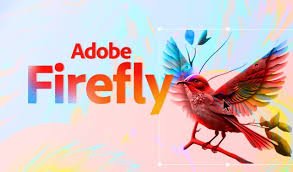
What sets Adobe Firefly apart? It works smoothly within Adobe’s suite of tools, fitting right into existing processes. Built for real-world business needs, its emphasis lands firmly on responsible output. Professionals benefit from a system that avoids risky content by design. Instead of just creating images, it supports trustworthy creation at scale.
Leonardo AI
A fresh take on image creation, Leonardo.Ai delivers sharp, lifelike visuals with ease. Because it adapts well, many choose it for game scenes, brand materials, or mockups of physical goods. With control over fine details, outcomes match specific needs closely. Its smart system adjusts to different styles while keeping quality consistent.
Freepik

A vast selection of visuals born from artificial intelligence awaits at Freepik – templates, images, design tools included. Those hunting for varied graphics might find it fits their needs well. Ready-made concepts emerge fast here, thanks to its AI-driven engine. Speed meets usability when generating photos without starting from scratch.
DALL E 3 Through ChatGPT
A picture forms easily when words guide DALL-E 3, available inside ChatGPT. Because descriptions matter, the system suggests tweaks that sharpen outcomes. Its interface stays clear, even as tasks grow complex. Efficiency shows in how fast ideas turn into visuals.
Recraft
A fresh take on digital illustration begins here – Recraft builds sharp vector artwork that scales without quality loss. Perfect fits include logos, brand assets, icons; visual needs stay covered across sizes. Designers gain access to crisp imagery through an AI tool trained for precision output. Clarity meets purpose when generating photos meant for polished presentations.
Artificial Intelligence Photo Generator Benefits
Generating photos with artificial intelligence saves considerable time. Rather than laboring through design work, people get results almost instantly. What once took hours now happens in moments.
A budget-friendly option often stands out here. Instead of bringing on skilled designers or investing in high-end software, a machine-driven image creator offers savings without sacrificing output quality.
Starting fresh becomes simpler when using such tools. Exploring various styles often happens freely, removing usual boundaries. With an AI image creator, imagination finds more room to grow. New ideas take shape faster than before.
Besides boosting access, such tools open doors for people without any background in design. Through artificial intelligence image generators, crafting professional visuals becomes possible—removing barriers once tied to expertise. Inclusion grows quietly here, one user at a time.
Challenges and Limitations
Even though it offers several advantages, the artificial intelligence photo generator faces certain drawbacks. Image precision stands out as a key issue. The results occasionally miss the mark compared to what users envision, which means adjustments might follow. Yet clarity in prompts can influence outcomes more than expected.
It raises questions about ownership and right conduct. Though some systems, such as Adobe Firefly, emphasize responsible creation, many online services do not ensure outputs avoid legal risks. When applying AI-generated visuals in paid projects, care becomes necessary because rules may differ across regions.
Dependence too heavy on artificial intelligence risks dulling creative thinking. Though image-making programs driven by algorithms offer strong support, they work best when paired with – not substituted for – human ideas.
The Future Of Artificial Intelligence Photo Generation
Exciting things lie ahead for artificial intelligence in photo creation. With ongoing advances in AI, accuracy and realism should grow steadily over time. Real-time output may soon shift how images are made on demand. Improvements could emerge not only in visual depth but also in user-specific adjustments. Three-dimensional results might gain clarity, moving beyond flat representations. Flexibility within systems often increases when learning models adapt further.
Picture creation through artificial intelligence gains fresh potential when combined with tools such as AR and VR. Industries including gaming, advertising, and media may find novel uses emerging from these links between systems.
When more people start using it, the Artificial Intelligence photo generator will matter greatly to designers, companies, and those making digital content across the globe. Though often overlooked at first, its role grows stronger each day in creative workflows far and wide.
Conclusion
Ultimately, artificial intelligence in image creation shifts how pictures come into being. Because it produces sharp visuals fast, many now rely on it daily. Though new, its role grows steadily across online spaces.
Midjourney, Adobe Firefly, Leonardo.Ai, Freepik, DALL-E 3, and Recraft reveal how deeply artificial intelligence has reshaped image-making. With such platforms available, imagination gains momentum while effort shrinks noticeably. Professional results emerge faster than before – quality no longer demands long hours. Though built differently, each tool shares a common strength: turning ideas into visuals with surprising ease.
With every technological leap forward, tools like AI image creators gain more influence over how digital art evolves. Staying relevant amid a culture obsessed with visuals means adapting to such shifts without hesitation.