
Today’s online world sees sound taking greater space in how people share messages, promote ideas, and build material meant to inform. Whether it’s clips on YouTube, long-form podcasts, spoken books, or commercials, vocal delivery shapes attention and connection. One helpful answer? Free artificial intelligence voice generators. They turn written words into lifelike talking voices – no hired talent required, nor costly studio setups needed. Artificial intelligence voice generator play a vital role nowadays.
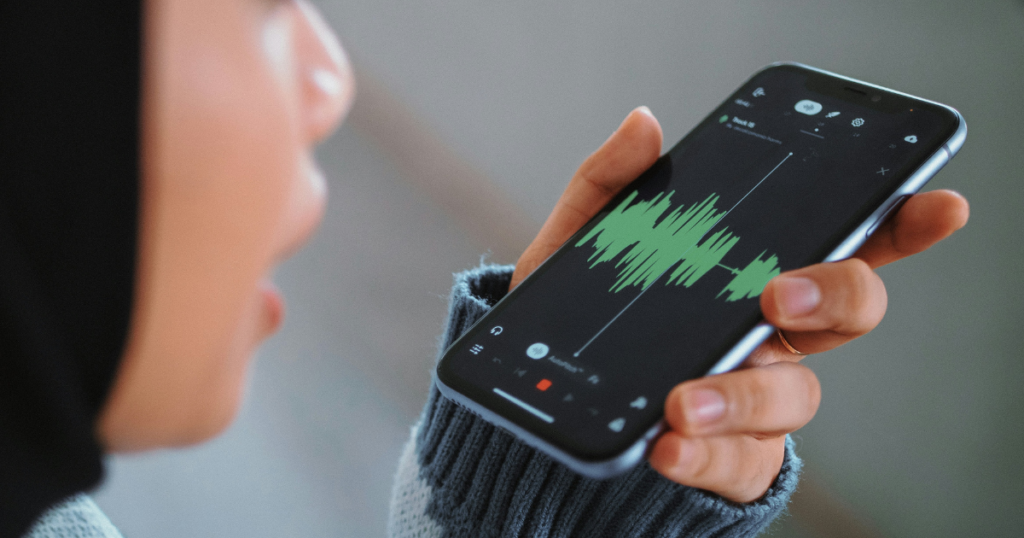
With more people wanting audio, free artificial intelligence voice generators have become popular, offering clear sound without charge. When crafting material, studying, or managing a company, such resources allow swift production of polished recordings. Though ease matters, speed does too – these systems deliver both. For many tasks, turning text into speech now takes little effort. Quality once required payment; today it often does not.
Free artificial intelligence voice generator explained?
A machine-driven voice creator without cost works by turning words on screen into audible speech through artificial intelligence combined with text-into-sound systems. Built on complex pattern recognition and neural networks, such programs shape digital output to mimic how people actually talk.

One reason people turn to free artificial intelligence voice generators is accessibility. Without needing to book studio time or pay professionals, someone types words into a system – out comes spoken audio. Because it skips traditional steps, the process saves effort across many tasks. Some use it for learning tools, others for quick narrations. Speed meets simplicity when text transforms on demand. That shift changes how ordinary projects sound.
Artificial Intelligence Voice Generators Explained Simply
Starting off, artificial intelligence voice generators without cost depend on speech synthesis together with natural language processing. Once someone types words, analysis begins – not just of grammar but also mood and situation – shaping how sound forms.
A machine-made voice system works without cost by turning written words into sound through learned speaking patterns. Because these systems study vast collections of real human talk, they copy how people naturally say things – the rhythm, the feeling, the rise and fall. Certain options let you tweak how fast it speaks, how high or low the voice sounds, even its manner – giving more control over the output.
A single breakthrough allows computers to craft lifelike speech without cost – opening doors in media production. Quality once limited to studios now emerges from silent algorithms. Where recordings demanded actors, code now replies. Machines speak clearly, shaped by data instead of breath. Output matches expectations set by human narrators. Free tools deliver what only paid systems offered before. Performance stands firm under real-world demands. Audio flows smoothly, built for broadcast standards. Voices rise from software, precise and ready. This shift redefines access to polished sound.
Free AI voice generator tools that are popular
A handful of strong platforms now let users create voices using artificial intelligence at no cost. One after another, these systems introduce different strengths and distinct options – some stand out through clarity, others through speed or flexibility. Not every option works the same way; variations appear in output quality, language support, even ease of use. While a few focus on natural rhythm, others prioritize customization or quick turnaround times. Behind each is a design choice shaping how smoothly it fits into real tasks. Some of the free AI voice generator tools are written bellow.
Speechify

Not many tools match Speechify when turning written words into spoken audio. With lifelike pronunciation across various tongues, it stands out quietly. Free to use and powered by artificial intelligence, its presence grows in books meant to be heard, learning aids, and help for those needing access. People rely on it without much fanfare – just steady utility where it counts.
Lovo AI
Beginning with lifelike audio, Lovo stands out through precision in vocal reproduction. A broad selection of voices becomes available, along with tailored adjustments possible. Instead of generic tones, users access an AI-powered system at no cost. Perfect for ads or branding efforts, it supports clear narration needs across business contexts.
Fliki

Fliki works across tasks, linking speech generation with visual storytelling. Through it, spoken audio emerges alongside moving images – built together. Because access costs nothing, those shaping online material often turn here first. Tools like these fit makers who post regularly, helping them speak through machines without effort.
Artificial Intelligence Voice Generator Free Benefits
Besides cutting costs, relying on a free artificial intelligence voice generator helps avoid high fees tied to studio recordings. Instead of paying voice performers, users access synthetic speech at little to no expense. While human narration carries nuance, automated systems step in where budgets are tight. Savings emerge not just in upfront charges, yet also through speed and reuse across projects.
Hours vanish when sound takes shape fast. A free artificial intelligence voice generator crafts spoken words within moments instead of days. For those making podcasts, videos, or lessons, speed becomes quiet support. Effort shrinks while output grows behind the scenes. What once filled afternoons now finishes before coffee cools.
Using these tools often leads to more reliable results. Since artificial intelligence does not tire, its vocal output stays uniform in tone and clarity throughout various tasks. Brand identity benefits when audio remains stable over time. Professional delivery gains strength from this steady performance.
One key advantage stands out: improved access. For individuals facing physical challenges or struggling with spoken languages, these systems open doors. Instead of traditional methods, they offer a way to engage with sound-based material through technology that mimics human speech – available at no cost.
Free AI voice generators used in everyday tasks
A tool that makes voices using artificial intelligence – without cost – appears across many fields. While some build audio for YouTube, others apply it to podcasts or posts online. Because of this, people craft compelling material even without microphones or studios.
Some companies choose artificial intelligence tools that produce voice output at no cost when working on advertisements. These systems help build recorded material – such as short presentations of goods, outreach clips, or guidance for users – in less time than traditional methods. Because of this speed, teams move faster through projects without adding staff.
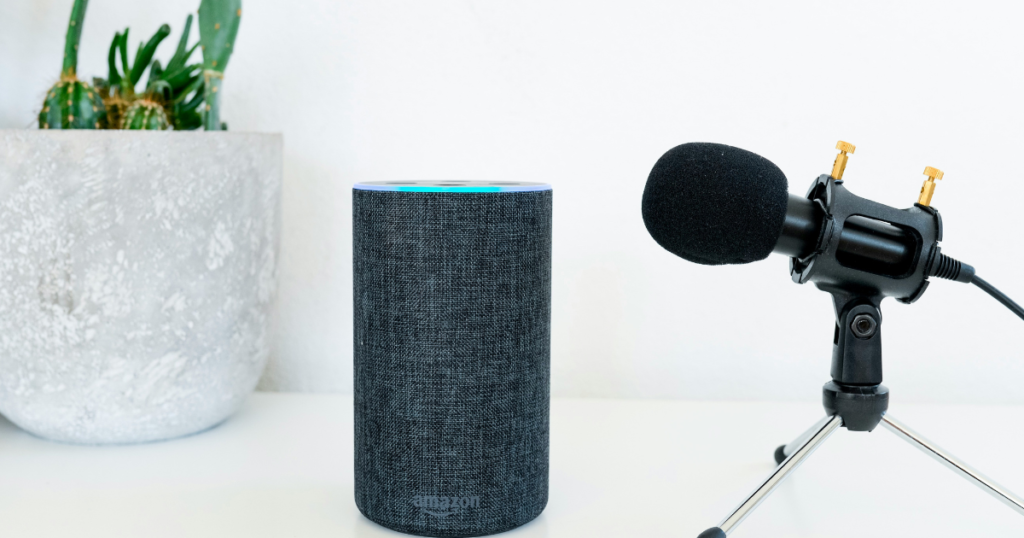
Learning improves when students gain access through new formats. Tools that turn written lessons into sound support different ways of understanding. A free artificial intelligence voice generator helps schools offer material in audio form. Engagement often rises once reading shifts into listening. Some find it easier to focus while hearing content aloud.
What stands out is how these tools find a place in virtual assistants, then shift into helping create audiobooks, while also supporting e-learning setups – proof of wide-ranging use.
Challenges and Limitations
Though offering several advantages, the free artificial intelligence voice generator faces certain drawbacks. A key issue emerges when voices sound flat emotionally. Even with major progress, machines sometimes fall short compared to natural human speech patterns. Yet subtle nuances often escape replication despite advanced systems.
Free versions often come with tight limits. Some AI voice tools block key functions unless you pay more. Basic access might leave out powerful settings found in paid plans.
Occasionally, speech patterns might miss the mark or sound off in certain situations. When that happens, tweaking the input helps match intended meaning. For this reason, listening closely to synthesized voices – produced at no cost by AI systems – is a necessary step prior to professional use.
The Future of Free AI Voice Generators
Looking ahead, artificial intelligence voice generators available at no cost show strong potential. With ongoing advances in AI, such systems are likely to grow increasingly lifelike, nuanced, yet adaptable. Voice clarity may sharpen over time; emotion modeling could deepen, alongside broader linguistic reach. Progress might emerge gradually – yet noticeably – in how voices sound, feel, respond.

Fueled by advances in software design, AI voice tools are merging with video production systems – opening doors to new forms of interactive media. Behind these shifts lies a growing reliance on no-cost artificial intelligence voices that quietly influence how digital narratives evolve over time.
With rising adoption rates, pressure builds on developers to deliver clear, reliable speech synthesis options. Growth in usage fuels expectations around performance and ease of access. More people leaning into these systems means higher stakes for smooth audio output. Demand climbs not just for realism, but also for simplicity in everyday use.
Conclusion
Ultimately, creating audio through free artificial intelligence voice tools is changing how sound content gets made. These systems provide an affordable path toward quality narration – streamlined, reachable, yet practical. Efficiency emerges where traditional methods once dominated, opening doors without heavy investment.
Few tools show what artificial intelligence voices can do better than Speechify, Lovo, or Fliki. Because these platforms exist, people and companies find new ways to share messages without spending extra hours. A free AI voice generator lets users turn text into speech, which means more flexibility across tasks. While some might stick to written formats, others now convert words into audio simply, reaching listeners who prefer sound over reading. Efficiency grows when content moves faster – without losing clarity or connection.
With progress in tech, free artificial intelligence voice generators are turning vital for those who make content, teach, or handle promotions. Staying ahead now means using tools like these more often than not. Though change feels slow at times, adaptation quietly shapes what works next.