
These days, artificial intelligence isn’t some general idea. It’s already changing how marketing works. Personalized messages pop up because machines learn what people like. Tasks that used to take hands now run on their own, opening up hours where none existed before. Even tiny teams notice the change, not only giants with deep pockets. Figuring out its role in getting messages across sharpens any effort, great or small. Moving forward quietly demands watching what changes next. Many content creators struggle to keep up with shifting trends, but the synergy between artificial intelligence and digital marketing offers a powerful solution.

A fresh take on AI in marketing—how it works, where it hits hardest, and the perks that come with it, mixed with actual tools people now use.
AI in Marketing Explained?
Machine learning, data crunching, tools that run on their own—these shape how companies sharpen their outreach. Outcomes shift when systems learn patterns hidden in piles of info. Prediction becomes possible. Guessing gets replaced by insight pulled from actions people take online. Experiences adjust themselves, quietly, based on what each person seems to want. Choices get made faster, guided not by gut but by traces left behind. Smarter moves come from seeing what was once invisible.
Most times, gut feelings fall short. With AI, marketers follow numbers instead. Out of nowhere, shapes begin to emerge. Stuck for one second—then pieces arrange without effort. Words appear on the page, as if guided by something unseen. Distance doesn’t equal confusion. Choices arrive sooner, softer. Silence carries them.
The Growing Impact of Artificial Intelligence and Digital Marketing
1. Improved Customer Insights
From clues like how people browse or buy, machines learn habits. What folks click on tells companies more about choices they might make later.
2. Personalization at Scale
Messages shaped just for you pop up because machines learn what you like. When it comes to suggestions, choices feel handpicked since behavior guides them. Emails arrive that match your habits—no guesswork involved. Preferences steer the whole process quietly behind the scenes.
3. Increased Efficiency
Running emails, putting up posts online, or sorting customers—those jobs often get done faster when machines handle them instead. Time slips away less easily that way. Resources stretch further without extra effort showing.
4. Better ROI
Most wins happen when ads reach the ones who care—sharp choices slowly lift income. Hitting the mark matters more than spreading thin, because effort with aim outperforms luck. Quiet gains grow where attention doesn’t wander.
How AI is used in marketing
1. Creating and improving content
Blog posts, social media captions, or even ad copy—these come fast when AI steps in. Because it spots useful keywords, your text climbs search rankings while staying clear and smooth.
2. Email Marketing Automation
Timing matters when emails hit inboxes—AI figures that out. It tweaks subject lines to feel more personal, using clues about who’s reading. Different groups get different messages, so things stick better. Smarter timing plus tailored words change how people respond.
3. Chatbots Help With Customer Questions
Chatbots driven by artificial intelligence answer questions right away, so customers get help faster while support staff face fewer demands. Sometimes quick replies make such a big difference when people need answers without waiting too long.
4. Predictive Analytics
From patterns in old information, machines guess what buyers might do next—giving teams a clearer path for their outreach. A look back shapes what happens ahead, quietly guiding each move.
AI enhances marketing strategies
Data-Driven Decision Making
Nowhere, patterns emerge when machines learn from live information. Because of that, choices around ads, spending, or who sees them shift with clearer direction.
Audience Segmentation
Some folks get sorted by machines that watch what they like, where they live, and how they act. Because of this, messages find better fits—hitting closer to home without guessing.
Campaign Optimization
Every moment, AI watches how campaigns are doing. When it spots something off, changes happen instantly. This constant check helps boost outcomes without delay.
“Many businesses struggle with data overload, but the combination of artificial intelligence and digital marketing allows for real-time adjustments to complex campaigns”
Tools That Use AI for Marketing
1. ChatGPT
Starting strong, this smart software lends a hand when making content, drafting emails, connecting with customers, or sparking new ideas. For those in marketing, turning out solid work fast isn’t just helpful—it’s built right in.
2. HubSpot AI
Mail tools with smart tech come built into HubSpot. Automation runs smoother because tasks link up without hiccups. Generating interest from potential buyers gets simpler when systems work together behind the scenes. Customer records stay updated while responses feel more personal. Thinking ahead becomes easier with data that moves as fast as you do.
With these tools, handling tough marketing jobs becomes easier. Because of them, companies can grow what they do without slowing down.
Problems With AI In Marketing
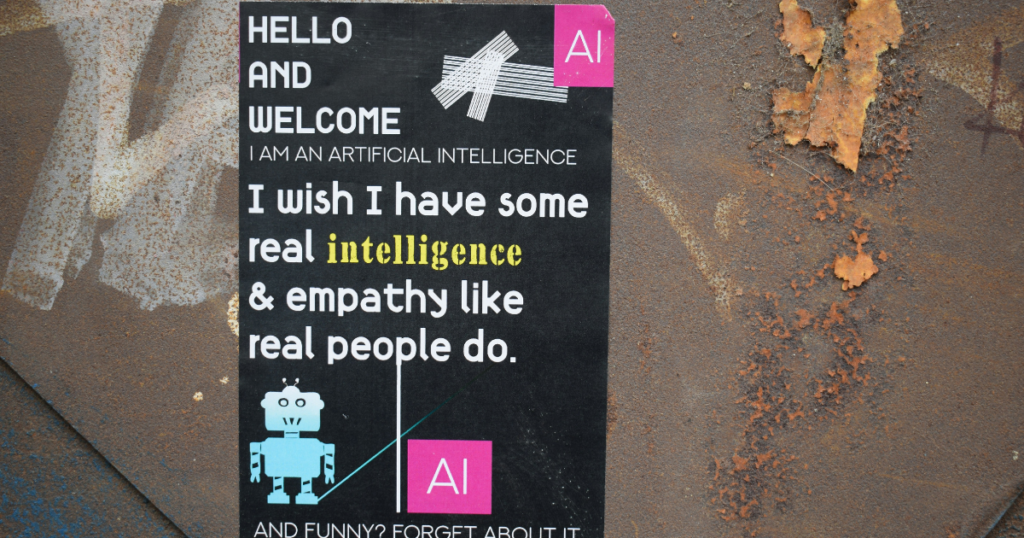
1. Data Privacy Concerns
Buried in data, duty follows close behind. When companies gather more information, staying within legal lines matters—especially around how private details are handled.
2. High Initial Costs
Costs add up fast when setting up artificial intelligence tools, particularly if you run a smaller company.
3. Reliance on How Good the Data Is
Most times, artificial intelligence needs loads of information to work well. When the details are wrong or messy, things tend to go off track quickly.
4. Lack of Human Creativity
Though machines can process data fast, feeling what customers truly want still needs a person’s touch.
AI in marketing: what comes next
Right now, artificial intelligence is changing how companies reach people. With each new step forward in tech, personalized messages will get sharper—thanks to smarter algorithms listening closely. Voice searches? They’re becoming a bigger deal every day. Machines learn fast, so talking to brands feels less like typing. Real conversations with customers happen instantly, without waiting. Progress just keeps moving, one small shift at a time.
Marketers won’t vanish because of artificial intelligence—instead, they’ll find new ways to speed up tasks while thinking bigger. Those companies diving into AI first? They’re likely to pull ahead while others catch up.
Conclusion
Out here, machines that learn are reshaping the way companies reach people. Instead of guesswork, smart systems adjust messages based on what users do—making each step smoother, sharper. One moment it’s sorting data; the next thing, replies feel like they’re written by someone who knows you.
Still, using AI with clear purpose matters most. When human imagination pairs alongside smart tools, outcomes improve. Ethical choices woven through the process make the difference.
Right now might be when it clicks—AI could fit into your marketing plans. Change often follows those willing to shift direction, especially with smart tools pointing ahead.
I could tweak this piece for search engines instead—think meta details, keyword spots, internal paths—or shape it right for your site layout.
As we have explored, mastering artificial intelligence and digital marketing is no longer optional for creators looking to stay competitive in 2026″.