
Applications of artificial intelligence can be seen everywhere. Nowhere is change more visible than in daily tools shaped by smart systems. Though once limited to labs, machine learning now guides choices in medicine, money matters, even schoolwork. Because tasks adapt faster, routines shift without notice – searches predict needs before they’re typed. Where effort used to pile up, automation steps in quietly. The ability to make decisions is enhanced by recognizing patterns of information that intuition fails to pick up. Efficiency will not be brought about by speed alone but from reduced wastage of motion.
Though advancing rapidly, Smart applications of AI is already impacting many areas, influencing how things are done in today’s world. Due to the rapid advancement, this effect reaches more ground than previously achieved breakthroughs. Applications of artificial intelligence are explained bellow deaply.
Artificial Intelligence Uses ExplainedArtificial Intelligence Uses Explained
Wherever machines learn from data, artificial intelligence finds its place – through tools like NLP or robotic systems acting in practical settings. Because they mimic thinking patterns, devices handle challenges once limited to people. Learning happens through feedback loops instead of fixed rules. Reasoning emerges when models weigh options without direct programming. Problem solving appears in responses shaped by experience rather than scripts.
What drives artificial intelligence isn’t merely replacing tasks – instead, it’s about expanding what people can achieve. Because machines handle vast datasets at speed, useful patterns emerge where none could before. Following are the Applications of artificial intelligence.
How AI is used in healthcare
Early illness detection becomes possible through artificial intelligence in medicine. Improving how patients are diagnosed happens alongside better treatment planning thanks to machine learning. Medical imaging analysis shifts dramatically when algorithms identify irregularities before symptoms appear. Cancer screening gains precision because computer systems spot patterns humans might overlook.
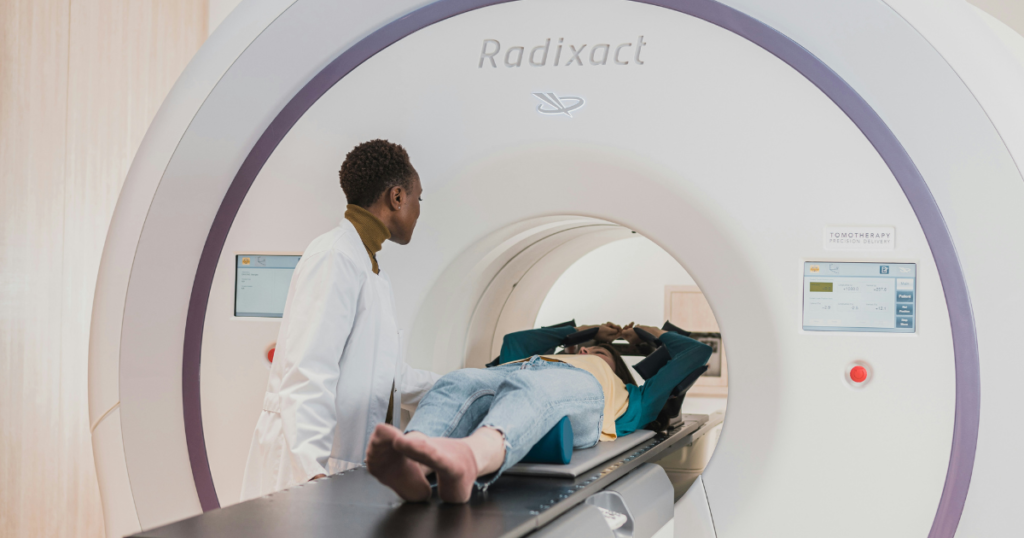
Apart from speeding up lab work, machines now spot possible drug candidates while estimating how well they might perform. On another front, digital helpers – like chat-based tools – offer guidance and care tips directly to users needing medical information.
Wearable tech, along with remote tracking systems, improves how patients are looked after – thanks largely to smart algorithms built into everyday health tools. Efficiency rises when data flows continuously, opening doors to timely medical responses across distances. Artificial intelligence quietly supports these advances, shaping a system where access widens without sacrificing quality. Care moves beyond clinics, reaching people where they live, driven by steady streams of personal metrics gathered each day.
How Businesses Use AI in Marketing
Artificial intelligence is currently transforming the way businesses operate in various sectors through defining the work process in organizations. With the help of pattern recognition in huge sets of data,
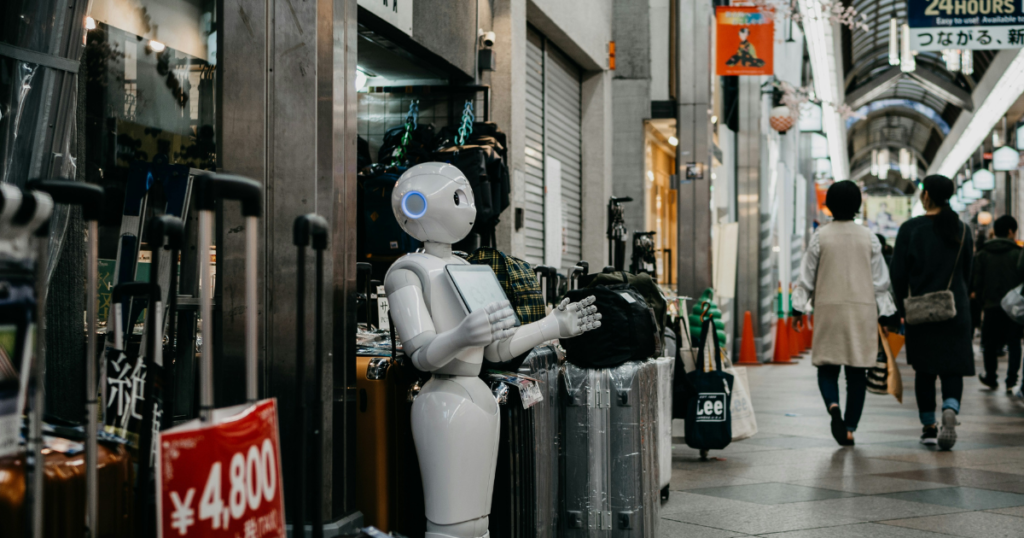
companies can identify trends even before they fully develop. Rather than sending out mass messages, targeted campaigns can be created based on behaviors collected through analysis. In many cases, intelligent machines take over mundane tasks and use natural language processing to answer queries.
Nowadays, chatbots along with virtual helpers represent typical uses of artificial intelligence, offering quick replies to boost how customers engage. With AI stepping in, routine jobs get handled automatically – this lifts both output and smoothness of operations.
Starting with patterns in behavior, artificial intelligence in advertising spots what people prefer. Because of this tracking, promotions reach the right users more often. As a result, messages connect better and responses increase naturally. When systems learn from choices, interaction grows without extra effort.
How AI is used in schools and learning
Applications of artificial intelligence are increasing day by day.Outside classrooms, artificial intelligence quietly reshapes how lessons unfold. Tailored instruction emerges through systems that adapt as students progress. What results often fits each learner’s pace – shaped by past choices and responses.
Starting off differently each time, some learning tools powered by artificial intelligence let pupils move through material based on personal speed. Teachers find support too – routine work like marking papers or recording who showed up gets handled automatically.

Through artificial intelligence, interactive learning tools emerge – transforming how students across the globe experience education. Engagement rises when digital systems respond dynamically to individual needs. As barriers get eroded due to adaptive technology, accessibility becomes easier. Learning has ceased to be rigid and become flexible based on feedback loops. The world’s classrooms evolve subtly through intelligent design.
How AI is Used in Finance
Applications of artificial intelligence in finance sector in appriciable. Nowadays, banks and finance firms lean on artificial intelligence to handle risks, spot fraud, and guide investments. Because it processes vast amounts of transaction records, such technology reveals hidden trends yet flags unusual behavior quickly.
Not every trade needs a human hand – machines now handle deals using patterns found in vast amounts of market information. Decisions about who gets a loan have shifted too, leaning on smarter analysis of personal financial records instead of old rules.
Few areas evolve as fast as finance does when smart systems step in. Better predictions emerge where errors once thrived, shifting how institutions operate beneath the surface. Machine identifies what the eye fails to notice, pushing towards more reliable conclusions. The lowering of risks is never a coincidence; on the contrary, it is a consequence of constant learning embedded in daily routines. Changes are gradual but undoubtedly noticeable.
How Artificial Intelligence Changes Transport
Moving through cities now changes because artificial intelligence shapes transport systems differently each day. While self-driving vehicles lead this shift, they rely on smart algorithms to handle traffic without human help. What once seemed impossible becomes routine when machines learn roads like experienced drivers. Each decision made by these cars happens faster than a person could react under pressure.
From smarter intersections to delivery vans rerouting on their own – artificial intelligence shapes how vehicles move. Because patterns shift by the minute, systems adapt using live data streams instead of fixed rules. Efficiency climbs when algorithms predict bottlenecks before they fully form. Drivers arrive sooner thanks to recalculations triggered by weather or accidents ahead. Costs drop as fuel waste shrinks under continuous monitoring. Machines learn preferred paths not through programming but repeated real-world adjustments.
Faster systems now shape how people move, improving speed while cutting risks on roads. Still, greener methods continue emerging alongside safety upgrades across networks.
How artificial intelligence shows up in movies music and news
Films, music, and shows now lean on smart software behind the scenes. What happens? Viewing habits shape suggestions through learning systems. Preferences guide what appears next – no guesswork needed.
From composing tunes to crafting stories, machines now shape creative work. In games, smart systems breathe life into virtual worlds – populating them with lifelike figures and shifting landscapes. Realism emerges not through scripts alone, but by adaptive behavior behind the scenes.
Behind every scroll, algorithms quietly track choices instead, shaping what users see without obvious cues. These patterns feed a system that adjusts itself continuously rather than relying on fixed rules. What results is entertainment molded by machine learning, though most never notice the mechanism at work.
How Artificial Intelligence Shows Up in Everyday Activities
Beyond factories and offices, artificial intelligence quietly shapes daily routines. Voice-powered helpers answer requests – starting music, adjusting lights, or delivering news – without needing a screen. These tools respond to spoken cues, simplifying routine actions through conversation. Simple interactions replace taps and swipes across household technology. we can see a lot of examples of Applications of artificial intelligence in our daily routine.
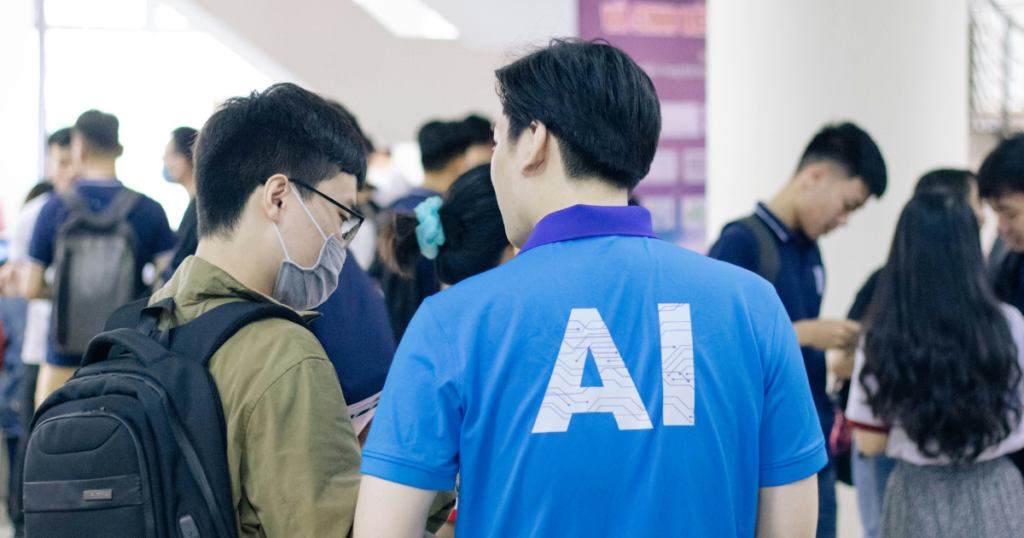
From movie picks to shopping ideas, algorithms learn what users like over time. Devices around the house adjust heating or watch entry points by spotting familiar patterns. What gets suggested often matches past choices without needing extra input. Safety checks and room temperatures shift quietly in response to daily habits.
Few realize how often artificial intelligence shapes routine moments – simplifying tasks, quietly smoothing the day. Comfort grows without notice when systems learn patterns, adjust timing, respond ahead of request. Efficiency slips in through small changes: a suggestion that fits, a delay avoided, a decision made easier. Much of this happens unseen, woven into tools people already use without thought.
Problems with Using Artificial Intelligence
Besides offering advantages, using artificial intelligence brings some difficulties. A major issue involves how personal data is kept safe. Because these systems need vast datasets, ensuring protection becomes essential. Yet handling such volumes increases risks unexpectedly.
Fewer positions may appear as machines take over tasks once done by people. Although fresh openings emerge through technology, certain long-standing jobs fade away in its wake.

Besides offering advantages, using artificial intelligence brings some difficulties. A major issue involves how personal data is kept safe. Because these systems need vast datasets, ensuring protection becomes essential. Yet handling such volumes increases risks unexpectedly.
Fewer positions may appear as machines take over tasks once done by people. Although fresh openings emerge through technology, certain long-standing jobs fade away in its wake.
The Future of Artificial Intelligence Applications
Driven by constant advancement, artificial intelligence is positioned to transform the way that technology is utilized in our everyday lives. Through advancements in the field, technology becomes more adept at handling complex issues once deemed impossible.

Expect AI showing up more in places like robots, hospitals, and city systems. As time goes on, its uses grow – bringing different answers, fresh openings. Sometimes quietly, sometimes fast, changes arrive through smarter machines working alongside people.
Those adapting to new technologies stand a stronger chance at thriving amid modern digital shifts. Success often follows when people and companies integrate emerging tools into their routines. Moving forward, readiness to adopt change becomes key for staying relevant. Progress tends to favor the flexible, not just the fast. Growth links closely with how openly one welcomes innovation.
Conclusion
Ultimately, artificial intelligence shapes how people live – touching health care, learning systems, commerce, even leisure activities. Performance improvements are realized on a personal and institutional basis as it improves precision and Streamlines Processes. There are many subtle influences of performance improvement that have occurred by artificial intelligence, and many of these are presently under the radar, yet affect the majority of people.
However, while there may be obstacles e.g. There are limitations to the advantage of artificial intelligence. With time, progress in AI deepens its influence, quietly redefining what lies ahead.
Staying ahead now means getting comfortable with how artificial intelligence works. Those who grasp its uses are better positioned when navigating modern tech landscapes. Progress often follows where knowledge of smart systems leads. Success increasingly ties to familiarity with automated tools shaping current industries.