
Out in the markets now, things keep shifting fast—powered by smart software that trades on its own. When prices jump around wildly, these tools act quick, often sharper than a person might. Not only experts but also those just starting out rely on them, especially in areas where digital money moves nonstop. Automated decision-making quietly infiltrates nearly every corner, from currencies to company shares. Machines learn patterns most overlook, adjusting without needing breaks or sleep. An artificial intelligence trading bot is very beneficial nowadays for traders.
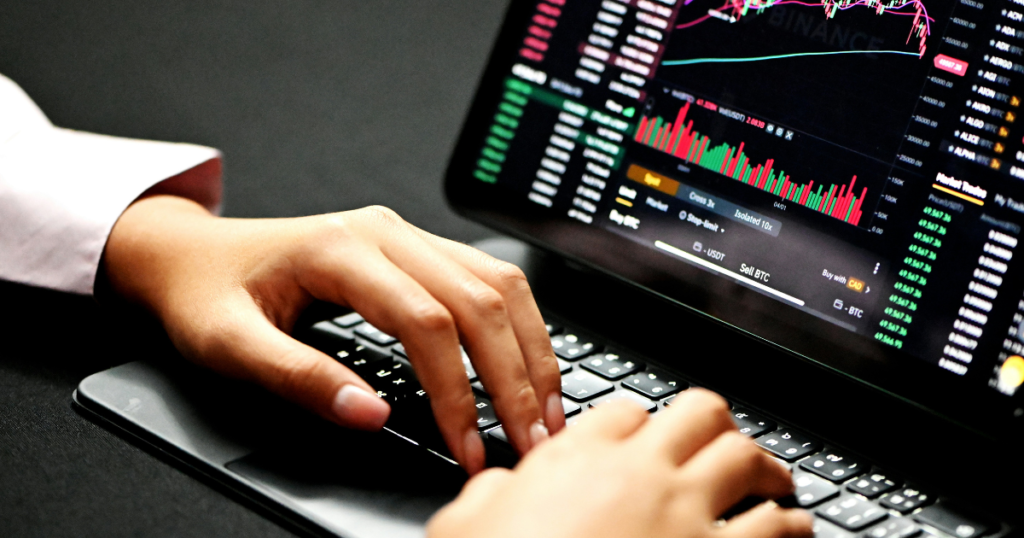
A program built with artificial intelligence watches price shifts, spots possible moves, then places orders without help. While traditional trading relies on intuition and manual decisions, these systems utilize mathematical models that adapt to market changes. Because of this flexibility, the software can boost results for people aiming to refine how they trade.
Artificial Intelligence Trading Bot Explained
A smart computer program for trading doesn’t just repeat tasks—it grows smarter by studying information over time. Instead of relying on gut feelings, it watches old price shifts alongside live changes in markets. Because of this constant observation, hidden sequences start to emerge clearly. Over weeks and months, choices become sharper since each decision builds on past results.
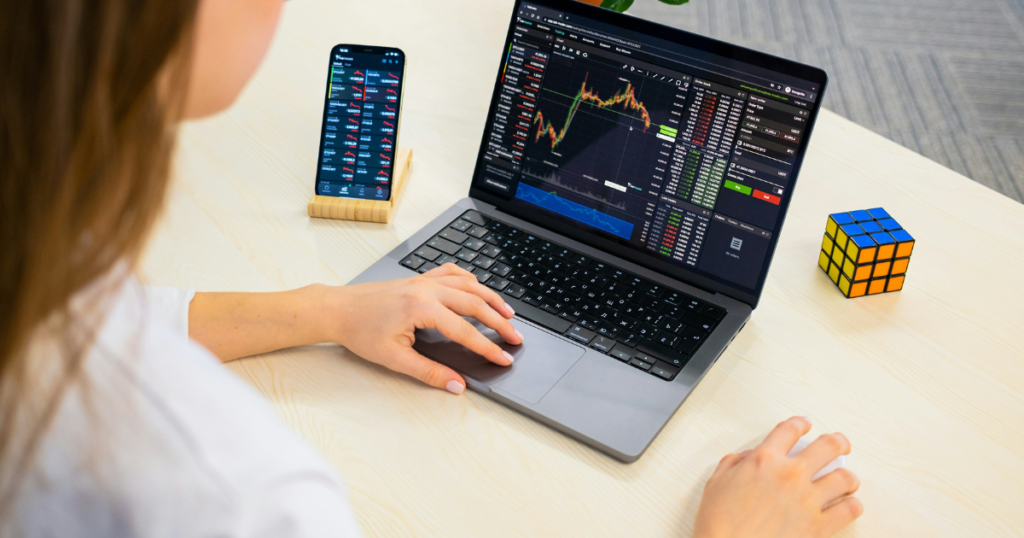
In the realm where decisions outpace human thought, machines assume control over the challenges of emotion and delay. Instead of hesitation, these systems analyze oceans of data in moments, spotting patterns invisible to weary eyes. Because reactions come so sharply now, finding value hides less often between numbers flashing by
Artificial intelligence trading bots use data patterns to make trades
Something that hums quietly inside a computer watches numbers shift by the second. It pulls pieces from stock graphs, how many trades happen, and what headlines say about markets. When it sees patterns forming, like shadows before rain, decisions come fast—buy now, wait, or let go. Machines learn these rhythms over time, adjusting moves without asking.

Right when a chance shows up, the bot jumps in straight away. No waiting around means trades happen before they slip away. Because it runs nonstop, the system watches every shift, all day and night. Decisions come fast, not stuck behind hesitation or delays. When conditions line up, action follows—no need to wait for someone to step in. It keeps working even while others are offline, catching moves at odd hours. Every trigger gets a response, whether it’s noon or three in the morning. Speed matters, especially when prices change by the second. Opportunities pass quickly; this setup makes sure none vanish unnoticed. With constant alertness, timing stays sharp across global markets.
What stands out next is how it adjusts. Because it reviews earlier choices, the AI trading bot sharpens its approach for stronger outcomes. Over time, getting better becomes natural, simply by learning from what happened before.
AI trading bot advantages
Not every trader stays calm when prices swing hard. A machine learning system doesn’t feel panic or excitement, so it sticks to the plan without wavering. This kind of steady behavior is crucial when markets experience rapid fluctuations. Decisions are based on numerical patterns rather than instinctive feelings. Emotions take a back seat while logic drives each move forward.
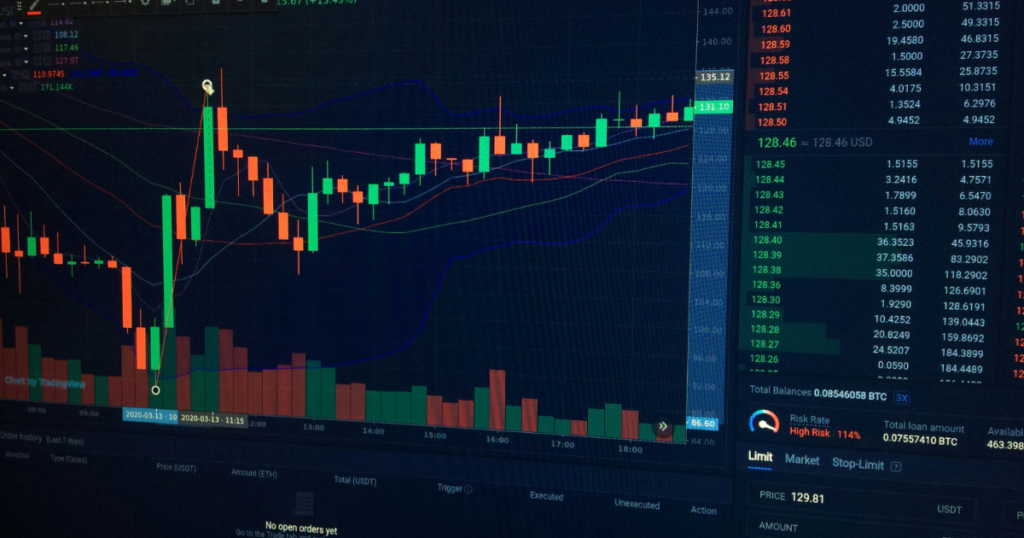
Fast moves matter. That robot trader digs through numbers and jumps on deals in thousandths of a second—key when prices shift fast. On top of that, it juggles many trades at once, a task nearly impossible for someone doing it by hand.
Even when people sleep, machines keep going. A bot powered by artificial intelligence never gets tired, so it watches financial activity across the world nonstop. Because it is always alert, spotting useful trades becomes more likely.
Challenges and Risks to Consider
When prices swing wildly, trouble follows close behind. Profit isn’t promised—no matter how smart the system seems. Unseen shifts break patterns faster than code adapts.
A glitch might throw things off. When the AI trading program crashes or drops its online link, key transactions could slip through—or go wrong. Watching it closely matters. So does keeping everything tuned up.
When bots handle trades, they need account access—this opens doors to hackers. A weak platform might fail when it matters most. Protection begins with smart choices, then layers like alerts and verification build a shield. Someone careless could lose everything fast.
Artificial Intelligence Trading Bot Selection
Picking a good AI trading bot matters if you want results. Not every tool out there works the same way—some do more, others less. Your strategy shapes what kind of bot fits best. Risk level plays a role too; match it carefully.
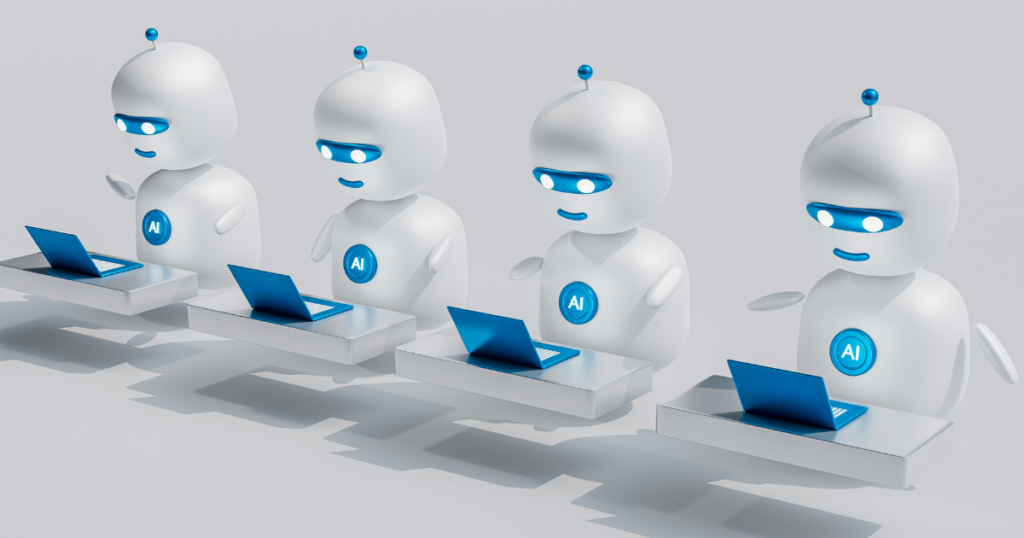
One thing a solid AI trading bot needs is live data crunching. What helps even more? The ability to tweak how it trades. Testing old market moves matters too – lets you see what might work now. Picture this: trying out ideas without risking money first. Smooth design choices make daily use less frustrating. Support that actually answers questions? That counts. Some bots feel clunky until someone shows up with clear help. Think about how often small hiccups slow things down. A quiet detail – the right tool quietly fits into routines instead of fighting them.
Start by checking how well a platform has done in the past, while also looking at what real users say about it. A solid track record often shows up in honest feedback from people who’ve used the tool. The way an AI trading bot performs over time tends to reveal itself through consistent results, though surprises happen. Past behavior gives clues, especially when matched with firsthand experiences shared online. Choosing one that works means paying attention to both numbers and stories from actual usage.
The Future of Artificial Intelligence in Trading Bots
Starting strong, tomorrow’s AI trading bots seem set for big changes because tech keeps moving forward. Because machines learn better now, plus handle data faster, expect sharper results over time. Blockchain arriving on scene adds another layer, boosting what these bots can actually do. Not just flash—real upgrades hiding in how they adapt behind the scenes.

With increasing numbers turning to AI tools, artificial intelligence trading bots are finding deeper footing across financial landscapes. These systems might soon turn into standard gear—not just for solo operators but firms too – steering how trades unfold ahead. Growth seems inevitable as reliance builds, quietly redefining what it means to compete in modern markets.
Conclusion
One moment it’s learning patterns, the next thing you know trades happen without a blink. Speed meets precision when machines handle choices instead of waiting on human reaction times. Decisions come from numbers, not gut feelings, so impulses stay out of the picture. Markets move fast – this tool jumps in before chances slip away. Mistakes still happen if left unchecked, that much is clear. Watch closely, adjust often, gains might follow anyway.
One step at a time, tech moves forward—shaping how tools like AI-driven trading bots matter more each day. When traders learn their way around these systems while staying sharp about choices, moving ahead becomes possible even amid fierce market races. Long wins come not from speed but steady thinking paired with smart tool use.